

Shed Wood Burner - Safety Considerations
If you own a shed or log cabin, or any other off grid home you may decide to put a stove in it. But, there are many things to consider before you do this.
It's crucial to ensure your cabin or shed is properly insulated to minimize heat loss and save on fuel costs. Insulation can also reduce dampness, and improve fire safety.
Size
A shed log burner can be used to heat a summerhouse or shed. It is essential to choose the right stove and make sure it is safe and meets all standards. A stove that is too large isn't able to vent properly and could also smear the flue. On the other hand, a stove that is too small won't be able to heat the space effectively.
First, you need to determine the size of your shed, and then determine the best location for the stove. Once you've identified the spot then you'll need to build an area for the stove to sit on. The hearth must be at least 12mm in thickness and constructed of a non-combustible product. The safe distance between a single wall flue pipe and any combustible material is 3x its diameter however, this distance can be reduced by using an insulative board as shielding.
Install the stove after you have constructed the hearth. Depending on your choice you might need to buy an oven door, stovepipe, or damper. Install a carbon monoxide alarm in your shed or cabin because they are smaller spaces than homes and are able to quickly fill up with CO gas.
Installing a stove in an outdoor space will require you to install an chimney liner to ensure safety and prevent condensation. Flue liners can be found at most hardware shops and can be easily cut to the correct length. Use tin snips for removing the lid and bottom of the can. Be sure to bend any sharp corners inside.
Safety
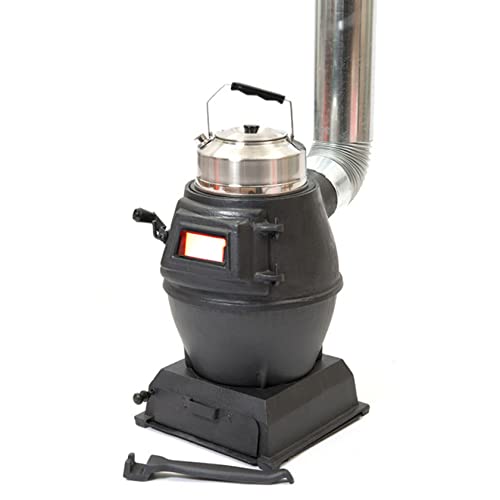
Shed wood burners can be very efficient and cosy, but you should consider the safety aspects of the installation. This includes the correct installation and use of the stove, as well as an alarm for carbon monoxide and a fire extinguisher. It is also essential to keep pets and children away from the stove in order to reduce the risk of accidents.
It is recommended to hire a HETAS registered installer to set up your stove in your shed. They can make sure that the installation process is completed in compliance with building regulations. This includes the appropriate distances from a wall that is combustible. This can help you avoid the requirement for a formal building control certificate.
You must ensure that you only burn dry, well-seasoned wood that has been kiln dried in your stove in your shed. Don't burn treated off-cuts as they release chemicals that can pollute the air and cause air pollution. You will also have to make sure that your chimney is the right size. For most sheds, a single wall flue is enough but if the shed will be using a double wall stove, you'll need a larger chimney.
The smoke from a wood burning stove can be hazardous, particularly for pregnant or new mothers, children and the elderly. exterior wood stove is also dangerous for people suffering from asthma, COPD or heart diseases and can also affect cats and dogs too.
A fire guard screen should be used to protect pets and children from hot embers and sparks It is a good idea to keep a log book of fires and extinguisher on hand in the event of an emergency. It is also important to ensure that you never employ charcoal starter fluid near the stove in your shed, as these are extremely flammable and could explode or flare-up in the event of an accident.
Based on the region you reside in, you could be in a smoke-control zone, which will affect the stove you can put in. You will need to choose an appliance that is on the DEFRA (External link) approved list of appliances.
Installation
A log burner in your summer house or shed is a fantastic idea. It can bring you closer to the nature, and is more appealing than a traditional fire in your home. Having a log burning stove in your shed or garden can also serve as an ideal location for socializing and gatherings with your family, as well as offering you the chance to enjoy the great outdoors without having to leave the comfort of your own home.
When you are installing a wood burner in a shed, you'll need to consider the size of your summerhouse or shed and the output you'll require from the stove in order to properly heat it. Also, you'll need to consider if you live in a smoke-control area and whether there are any local planning regulations that could impact the installation. It is recommended to consult a registered HETAS installer to assist you in planning and installation.
You'll need to determine the size of the flue pipe that your shed can support before you can install the wood stove for your shed. The stove's manufacturer should be able to give you some tips on this. Once you have figured out the size of flue pipe you will need, you can start to look for shed log burners that will work for your summer or shed home.
Once you have chosen the best stove for your shed or summerhouse it is important to prepare the area for installation. This will involve clearing away any flammable materials and ensuring that there is a minimum distance of 1m from the shed to the front edge of the chimney stack. It is also essential to ensure that the stove is at least 2m away from the nearest walls that are combustible and that all combustible material inside the shed is covered with fire board or covered with insulation.
The hearth should be constructed of non-combustible materials and at least 12mm thick. You can make use of any type of stone or concrete for instance, but be sure not to using sand, because it could impact the performance of your stove and lead to an issue with the chimney. You'll also require a pair twin wall flue pipes as well as a class D airvent and chimney cowl.
Maintenance
Shed wood burners can be used safely provided there is adequate ventilation and a smoke detector installed. If you're thinking of installing a wood stove in your shed, be sure that the electrical installation has been signed off by a registered electrician and ensure that any flammable materials are away from the stove.
Clean the chimney and glass of your shed log heater regularly. You can apply a light splash of vinegar to wash away any marks or smudges from the inside of the stove glass. But be sure not to spill any vinegar inside the burner. You can also wash the outside of the glass log burner with a mild solution made of washing liquid and paper towel.
Be aware that shed log burners are designed to be used with dry-seasoned firewood. The moisture content of the logs must be less than 20 percent. The most effective method of determining the moisture level of your logs is to use a wood moisture meter. Place your wood in a place that is well ventilated. Keep combustibles such as curtains and furniture away from the shed. It is recommended also to have the chimney cleaned at least year.